



ABOUT THE BOOK
A Tale of Two Paths
Taking the Fork in the Road
The first reference for the book theme came from the Abbott and Costello comedy team, where they turned the words “who” and “what” into a hilarious sketch in one of history’s most excellent play on words. Allow me to explain it to those unfamiliar with the skit (although I highly recommend searching it out and enjoying it yourself).
Costello is the baseball team’s manager, and Abbott wants to know the players’ names. Costello shares, “Who is on first. What is on second, and I don’t know is on third.”
Of course, this sets up the comical skit where Abbott asks, “What’s the name of the man on first?” and Costello replies, “What is the name of the man on second?”
Abbott snaps back, “Who’s on first.”
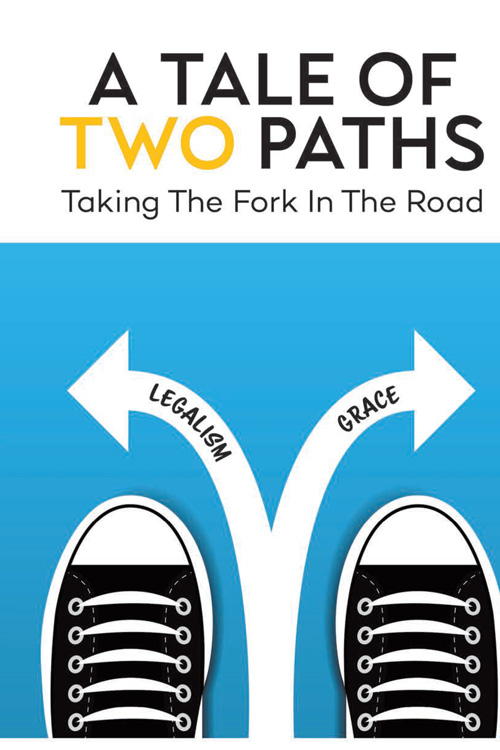
The idea of the “who” versus the “what” intrigues me in following Christ. The two words create a fork in the road, where followers of Jesus must constantly choose one or the other. However, unfortunately, our human nature’s design leads us to believe that “what we do” is how we please God. The sadness of that path is that all God wants us to remember is that life is all about “who” He is. One path emphasizes grace, and the other focuses on legalism or the law.
The second reference is from one of the most colorful and interesting baseball players in major league history, that being Lawrence Peter “Yogi” Berra. He always had a witty response to the questions posed by reporters. He was famous for various quotes such as, “It ain’t over ’til it’s over” and “Ninety percent of this game is half mental.” In response to a question about Ruggeri’s, formerly a popular Italian restaurant in St. Louis, he said, “Nobody goes there anymore. It’s always too crowded.” Often quoted and frequently misquoted, led Berra to say, “I didn’t say everything I said.”
His statements would often make one think, such as when he said, “When you come to a fork in the road, take it.” The theme of this book is for us to take the fork in the road.
When people inquired about the topic of my newest writing adventure, I would tell them it was the topic of grace and legalism, both of which I find challenging. I struggle with accepting grace and often revert to legalism in my life. I tend to worry more about the “what” I do than about receiving the grace from the “Who.” I need a reminder that what I do is a reflection of the love, forgiveness, and salvation I receive from Christ. The “Who” comes before the “what.” There’s no “which came first, the chicken or the egg” scenario here. As John points out, “We love because He first loved us.” (1 John 4:19 NLT)
Jesus addressed this issue on numerous occasions as he dealt with the Jewish religious leaders who found themselves on more of a legal path than one of love and grace. The Pharisees reasoned that the trouble the Jewish nation always seemed to find itself in was because of continued disobedience to God’s law. So, the Pharisees created a list that defined and interpreted what a Jew could or couldn’t do. Noting the need to maintain purity and compliance with the law, Pharisees added the Mishnah, which included over 1,000 rules and regulations to the original law. Jesus was very forgiving of theft and adultery, but was very outspoken on legalism and hypocrisy. The quick wit Jesus demonstrated in His conversations with the Pharisees spelled out His desire to point people, including the Pharisees, toward grace. Had the Pharisees given up their hypocrisy, I believe they would have made excellent disciples.
Paul, a former Pharisee and one of the early apostles and leaders in the first-century church, battled the legalistic versus grace philosophies throughout the Middle East. It appears that the church in several locations was having difficulty remembering the latter path of grace and was living out the principles of the former path of legalism, which caused Paul to write many letters. Some of the followers of Christ who came into faith from a Jewish background wanted the new Gentile or non-Jewish converts to follow Jewish law before being considered a part of the church. In other words, go through the ceremony of circumcision before being accepted into the church. In a sense, Paul is declaring his own “declaration of independence” from Jewish beliefs by emphasizing that salvation comes solely through the grace of God, which we achieve through faith in Jesus as the Son of God.
A reference to an interaction with some Christians who had come out of the Pharisee sect takes place in Acts 15, where they sided with the notion that Gentiles could not become followers of Jesus without becoming Jews first, i.e., circumcision. Peter, who had been winning Gentiles to Jesus and received the original vision from God about “unclean things,” said. “So why are you now challenging God by burdening the Gentile believers with a yoke that neither we nor our ancestors were able to bear?” (Acts 15:10 NLT)
The Author

David Waddell recently retired after eighteen years teaching at the University of Mississippi. Previously, he served twenty-five years in local churches as a recreation minister.
Buy the Book
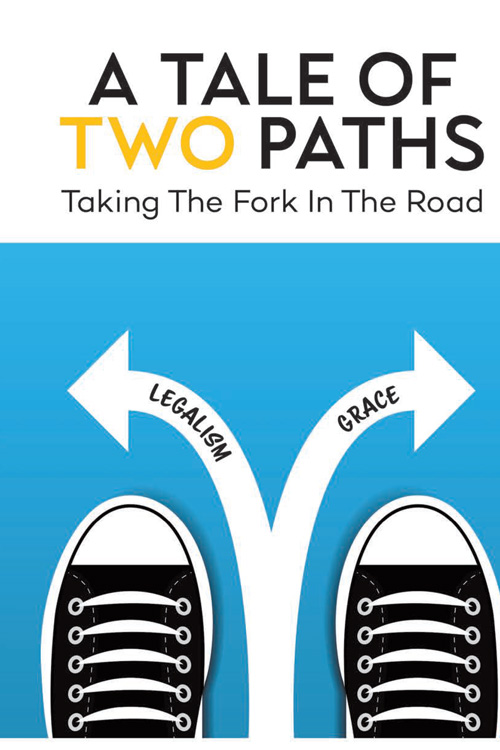
Our struggle between legalism and grace by faith explained through baseball references and how Jesus and Paul dealt with Pharisees and Christians returning to legalism.
